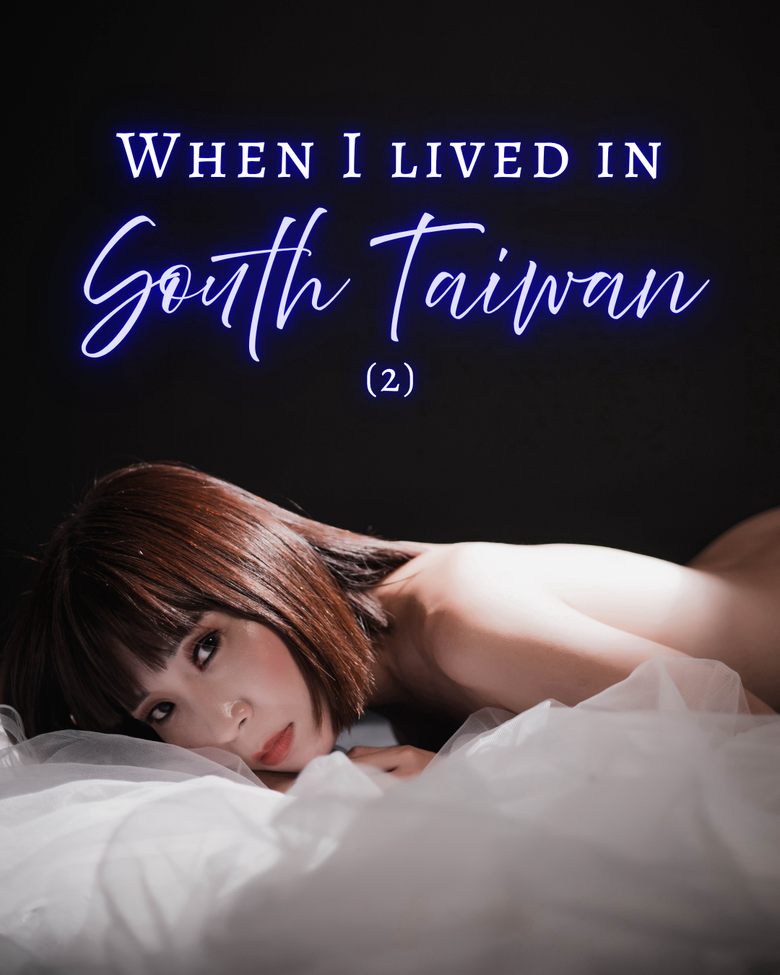
在南臺灣遭排擠讓我深受創傷,當時朋友 — 甚至連我自己 — 都問:「他們當你是妓女嗎?」
不,恰恰相反。
如果我是妓女,倒會比較受尊重;尤其性產業昌旺之地若臺灣,大學哪位同學為了買個Hermès而翹課去擘脾已經成不了茶餘飯後的八卦。因此,他們鄙夷人體模特兒並非因為將我的職業與性工作者搞混,而是出於心理和文化層面的不適。
(一)裸體 +屌不得=怪物
這種不適感源於臺灣社會鮮少將裸體與性剝離開來。在一般的觀念裏,裸體+可屌=常人+安全(例如妓女),裸體+屌不得+甚至不可觸碰=怪物+危險。在脫離性意味的情境中,人體模特兒寬衣解帶,迫使觀眾及自身直面裸露的同時,打破了根深蒂固的文化慣例 — 我裸,但嚴禁你碰我。這讓那些慣於將裸體與色情或性行為掛鉤的人感到困惑。而這種非性意味的直面對決又如何讓「衝突」升級的呢?
(二)去性化悖論
在日常生活、媒體及廣告中,公開或半公開的裸露幾乎等同性暗示;因此人們已習慣視裸體為牽動慾望的訊號。而藝術場所卻破壞了這預期。
在藝術語境裏,人體模特兒的全裸狀態只具功能性,是一抹形狀、光影、重量與解剖結構交織而成的「風景」。而觀者 — 尤其是初學者 — 往往面臨強烈的內心掙扎。他們本能地或受既有觀念影響,賦予裸體性意味;但創作現場中客觀審視和尊重的氛圍卻抑制之。這種內在衝突所引發的張力讓觀者感到不適。
(三)「Naked」與「Nude」的分別
藝術史學家區分「naked」和「nude」兩種狀態。Naked(赤裸)指脫去衣物,常暗示脆弱、暴露、缺乏保護或措手不及的感覺。Nude(裸體)指身體披著自身的肌膚,呈現出平衡、有目標的姿態,是一個古典藝術概念。
人體寫生迫使人們直面一具赤裸、未經修飾且帶著妊娠紋和不對稱等瑕疵的人體,並將其置於藝術的框架內創作。一旦摘下「完美」或「色情」的濾鏡,一雙未經訓練的眼睛審視真實的肉體時,那份過於親密的局促感極為尷尬。
(四)非性化凝視的威脅
賦予裸露性意味後,它遵循熟悉的權力動態:觀者消費,裸者以性滿足消費者。而人體寫生打破了這種動態。人體模特兒擺姿勢並非為了誘惑;作為積極的參與者,她正專業地維持高難度的身體姿態。事實上,在正規場所,模特兒有權拒絕任何令其感到不安的要求。除了選擇權,在藝術語境裏,模特兒還有凝視觀者的權力。給一個赤裸的人直勾勾地盯著,觀者很容易感到壓迫。
色情內容與大眾媒體往往依賴幻想與刻意製造的畫面。人體模特兒則不提供任何幻想空間,光線充足的房間裡亦不提供螢幕此安全屏障,觀者被逼正視模特兒作為一個完整、真實、有血有肉的「人」的本質。這種剝離幻想,赤裸裸的真實感,往往會觸發強烈的心理防衛。
由於缺乏悠久的藝術傳統,一個地方的藝術普及不保證高藝術造詣,滿街文青亦不一定有高審美素養。既然先天不足,一味指指點點那些指指點點人體模特兒的人是無意義的 — 但也不可置之不理。要彌合這樣的文化鴻溝,還是要回到將人體藝術教育納為藝術普及的核心內容這一步。
Estella Chan
港、台兩邊走的人體模特兒
香港大學美術系學士(已改名「藝術系」)
英國皇家舞蹈教師協會認可拉丁舞導師
個人Instagram
模特Instagram
OnlyFans
Gumroad
Patreon
Payhip
Traumatised with ostracism in southern Taiwan, friends and even myself asked, ‘Is it because they think you’re a whore?’
No. Very much the opposite.
Were I a whore, I would have been treated better in Taiwan where the prostitution industry thrives in full swing, where classmates in university trade sex after school or simply skip courses for a Hermès contribute no gossip. Therefore, their disdain toward life models doesn’t stem from their confusion between my profession and sexual workers but psychological and cultural discomforts.
1. Naked + Unfuckable = Weirdo
Life modeling forces viewers — and the models themselves — to confront the naked human form outside a sexualised context, which confuses people accustomed to associating nudity strictly with pornography or sex. Naked + fuckable = normal + safe (such as a whore.) Naked + unfuckable + even untouchable = weirdo + dangerous. This specific discomfort happens because Taiwan society rarely separates nakedness from sex. When a life model removes their clothes in an art venue, the confrontation with nudity breaks a deeply ingrained cultural script, causing psychological confusion for the viewer. Let’s go deeper into why this non-sexual confrontation causes tension:
2. The Desexualisation Paradox
In everyday life, media and advertising, public or semi-public nudity is almost exclusively used as a sexual cue. People are conditioned to view the naked body as a prompt for desire until they enter an art venue where such an expectation is disrupted.
In the context of art, the life model's nudity is purely functional. They are a landscape of form, shadow, weight and anatomy. Viewers, especially beginners, often fight an internal battle. They feel a biological or conditioned urge to sexualise the body but, the clinical, respectful atmosphere of the art venue forbids it. This tension creates discomfort.
3. The “Naked” vs “Nude” Distinction
Art historians often distinguish between being “naked” and being “nude.”
“Naked” means being stripped of clothes, which implies vulnerability, exposure and a sense of being unprotected or caught off guard. “Nude” is a classical artistic concept where the body is balanced, purposeful and clothed in its own skin.
Life modeling forces people to look at a raw, un-airbrushed, naked human body completed with blemishes, stretch marks and asymmetrical features, reframing it as a nude masterpiece. Forcing an untrained eye to look at a real body without the lens of perfection or pornography can feel intensely awkward and overly intimate.
4. The Threat of the Unsexualised Gaze
When nudity is sexualised, it operates under a familiar power dynamic: the viewer consumes, the object satisfies the consumer with sex. Life modeling destroys this dynamic. The life model is not posing to entice; they are an active, professional participant holding a difficult physical position. In fact, in a legitimate venue, the model can reject any request that makes her or him feel uncomfortable. In the context of art, the model is granted the right to gaze. Sometimes, the gaze from a nude model can be so intense that the viewer feels overpowered.
Pornography and media rely on fantasy and curation. A life model offers zero fantasy. Confronting a real, breathing human body in a brightly lit room removes the safety barrier of a screen, forcing the viewer to acknowledge the model's full humanity. This level of raw reality makes many people highly defensive.
Lacking a long history of art, the democratisation of arts in a place doesn’t guarantee high artistic excellence nor aesthetic literacy. Since such a deficiency is innate, it is pointless to keep pointing fingers to those pointing fingers to life models. Neither to be blamed nor neglected, to bridge such a cultural gap, figure art education needs to be a core subject in the democratisation of arts.
Estella Chan
Figure Art Model active in Hong Kong and Taiwan
Bachelor of Fine Arts, University of Hong Kong
Certified Latin Teacher, Imperial Society of Teachers of Dancing